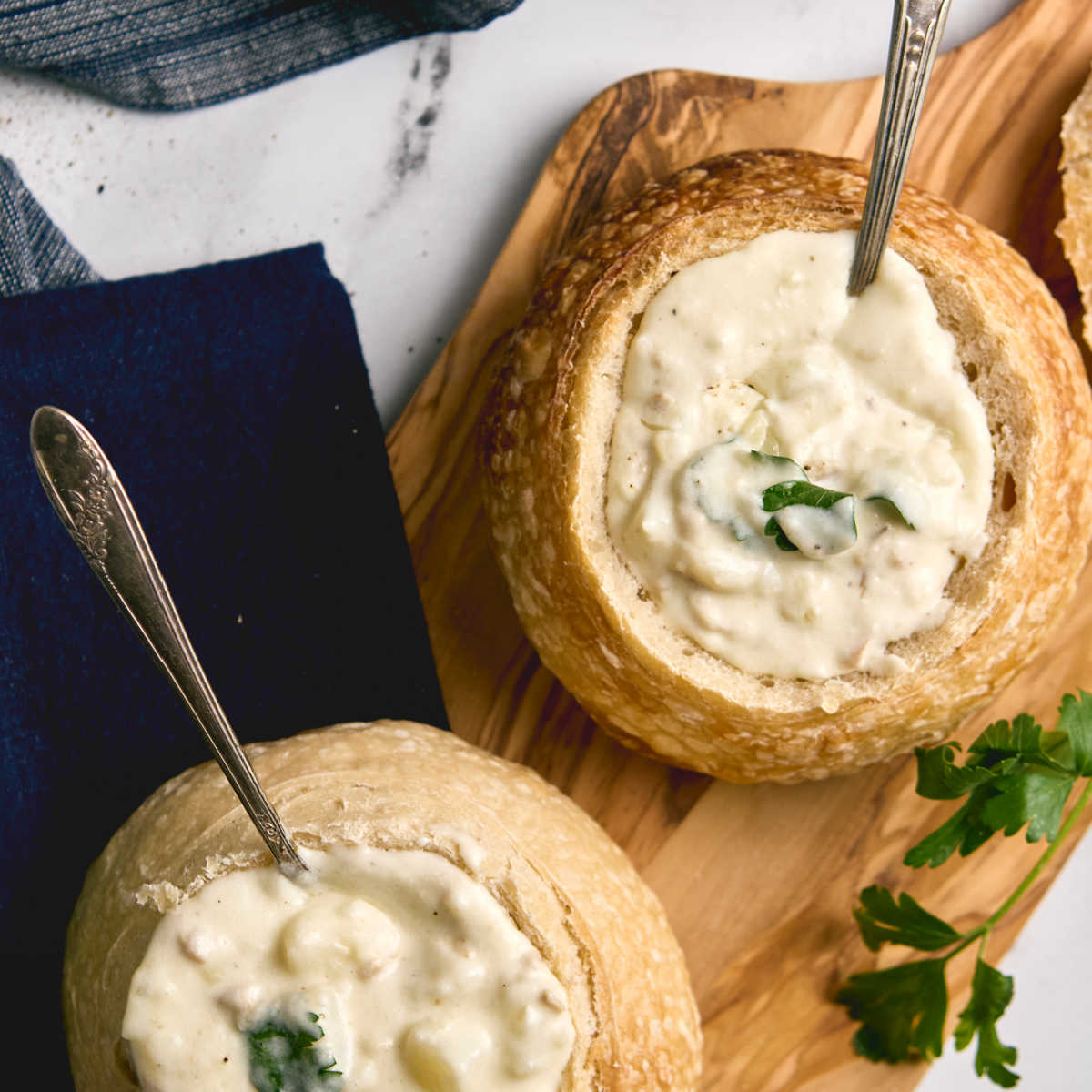
The Quintessential New England Clam Chowder: A Timeless Culinary Treasure
Few dishes evoke the spirit of a region quite like New England Clam Chowder. More than just a soup, it’s a creamy, comforting embrace, a testament to simplicity and the bounty of the sea. This iconic dish, a staple in countless kitchens and revered in cookbooks from local gems to comprehensive guides like "The New Boston Globe Cookbook," holds a special place in American culinary history. Its enduring popularity isn't accidental; it’s a result of perfectly balanced flavors, a rich, velvety texture, and the ability to transport you straight to a seaside clam shack with every spoonful.
Unlike its tomato-based cousin, Manhattan clam chowder, or the clear broth of Rhode Island style, authentic New England clam chowder proudly boasts a milky or creamy base, studded with tender clams, diced potatoes, and often the savory whisper of salt pork or bacon. It's a dish steeped in tradition, passed down through generations, and refined into the comforting masterpiece we cherish today. Preparing a classic
new england clam chowder recipe is an act of culinary heritage, promising a truly rewarding experience for both the cook and those gathered around the table.
Unveiling the Heart of New England: What Makes a Chowder Truly Classic?
To truly appreciate a genuine New England Clam Chowder, it's crucial to understand its defining characteristics. The "New England" designation isn't merely geographic; it signifies a specific culinary philosophy. At its core, this chowder is:
* **Creamy and White:** This is the most distinguishing feature. The base is rich, made with milk, cream, or a combination, giving it its characteristic pale, opaque appearance. There's absolutely no tomato in sight!
* **Hearty and Substantial:** Packed with tender clams, soft chunks of potato, and often aromatic onions, it's designed to be a satisfying meal in itself, not just an appetizer.
* **Savory Depth:** The subtle smokiness and saltiness from rendering salt pork or bacon fat are fundamental, providing a foundational layer of flavor that elevates the entire dish.
* **Simple yet Profound:** The ingredients are straightforward, but their careful combination and gentle cooking transform them into something truly extraordinary.
This timeless appeal is why you'll find a trusted
new england clam chowder recipe anchored in regional cookbooks, celebrated as a cornerstone of New England cuisine. It’s a dish that embodies comfort, tradition, and the enduring connection between people and the sea.
The Essential Ingredients for an Authentic New England Clam Chowder
Crafting the perfect New England Clam Chowder begins with selecting quality ingredients. While simplicity is key, each component plays a vital role in achieving that coveted creamy texture and profound flavor.
*
Clams: The star of the show! Fresh clams (quahogs, littlenecks, or cherrystones) are ideal for their unparalleled flavor and texture. If using fresh, you'll need to steam them open and reserve their delicious juice. High-quality canned chopped clams, packed in clam juice, are a perfectly acceptable and convenient alternative, especially if fresh aren't readily available.
*
Salt Pork or Thick-Cut Bacon: This is non-negotiable for authentic flavor. Rendered salt pork provides a deeper, richer, and more traditional taste, creating the fat needed for the roux and infusing the chowder with savory notes. If using bacon, opt for uncured, thick-cut varieties.
*
Onions: A humble yellow onion, finely diced, provides a sweet and aromatic foundation for the chowder.
*
Potatoes: Russet or Yukon Gold potatoes are excellent choices. Russets break down slightly, contributing to the chowder's creamy consistency, while Yukon Golds hold their shape a bit better, offering a pleasant bite. Dice them into roughly ½-inch cubes for even cooking.
*
All-Purpose Flour: Essential for creating a roux, which thickens the chowder and gives it that silky, luxurious mouthfeel.
*
Liquids:
*
Clam Juice: The liquid from steaming fresh clams, or bottled clam juice, provides concentrated seafood flavor.
*
Milk and/or Cream: A combination of whole milk and heavy cream (or half-and-half) is typical. Whole milk provides body without being overly rich, while heavy cream adds an irresistible velvety texture and depth. Avoid low-fat milk, as it can curdle more easily and won't yield the desired richness.
*
Butter: Often used in conjunction with rendered fat to create the roux, or to enrich the chowder at the end.
*
Seasonings: Salt (taste as you go, especially with salt pork), freshly ground black pepper, and sometimes a bay leaf or a pinch of thyme to add subtle herbaceous notes. A dash of Worcestershire sauce or a tiny splash of Tabasco can enhance savory depth without making the chowder spicy.
Crafting Your Own Bowl of Comfort: A Step-by-Step New England Clam Chowder Recipe
Follow these steps to create a rich, creamy, and utterly satisfying New England Clam Chowder that rivals any seaside eatery.
- Prepare the Aromatics and Render Fat: If using fresh clams, steam them until they open, reserving all the liquid. Chop the clam meat. If using canned, drain and reserve the juice. Dice the salt pork (or bacon) into small pieces. In a large, heavy-bottomed pot or Dutch oven, render the salt pork over medium heat until crispy and most of the fat has been released. Remove the crispy bits (chowder crumbs!) with a slotted spoon and set aside for garnish. Leave about 2-3 tablespoons of fat in the pot.
- Sauté Onions: Add the diced onion to the rendered fat in the pot. Cook over medium-low heat until softened and translucent, about 5-7 minutes. Do not brown them.
- Make the Roux: Sprinkle the flour over the softened onions and rendered fat. Stir constantly for 2-3 minutes to cook out the raw flour taste. This creates a blonde roux, which is essential for thickening the chowder.
- Add Liquids Gradually: Slowly whisk in the reserved clam juice (or bottled clam juice) until fully incorporated and no lumps remain. Continue to whisk as the mixture thickens slightly.
- Introduce Potatoes: Add the diced potatoes and bay leaf (if using) to the pot. Bring the mixture to a gentle simmer, then reduce heat to low, cover, and cook until the potatoes are fork-tender, about 15-20 minutes.
- Incorporate Dairy: Once the potatoes are tender, slowly whisk in the whole milk and heavy cream (or half-and-half). Heat gently, stirring frequently, until the chowder is hot but *do not boil* – boiling dairy can cause it to curdle.
- Add Clams and Season: Stir in the chopped clams. Cook for just 1-2 minutes, or until the clams are heated through. Overcooking fresh clams will make them tough. Remove the bay leaf.
- Finish and Rest: Season generously with salt and freshly ground black pepper. Taste and adjust as needed. For an extra touch of richness, stir in a knob of butter at the very end until melted. Let the chowder rest off the heat for 10-15 minutes before serving; this allows the flavors to meld beautifully.
Insider Tips for a Perfect, Creamy Chowder Every Time
Achieving that restaurant-quality New England Clam Chowder isn't just about following the recipe; it's about understanding the nuances of each step.
*
Fresh vs. Canned Clams: While fresh clams offer superior flavor, don't shy away from good quality canned chopped clams. Look for brands packed in pure clam juice, not water, for maximum flavor. If using fresh, ensure they are thoroughly cleaned (purged of sand) before steaming.
*
Roux Mastery: The key to a smooth, lump-free chowder is a well-made roux. Cook the flour and fat long enough to eliminate the raw flour taste, but don't let it brown too much. Add cold liquid to a hot roux, or hot liquid to a cold roux, whisking constantly to prevent lumps.
*
Potato Perfection: Cut potatoes into uniform sizes for even cooking. Avoid overcooking them, as they can become mushy. Russets are great for thickening, while Yukon Golds offer a slightly firmer texture.
*
Gentle Simmering is Key: When dairy is involved, a rapid boil is your enemy. Always keep your chowder at a gentle simmer, stirring frequently to prevent scorching on the bottom and to ensure the cream doesn't curdle.
*
Timing the Clams: Clams cook very quickly. Adding them too early or cooking them too long will result in tough, rubbery clam meat. Stir them in at the very end, just until heated through.
*
Flavor Boosters: A splash of dry white wine (like Sauvignon Blanc) added after the onions and reduced, can add complexity. A pinch of dried thyme or a very small amount of hot sauce can also enhance the overall savoriness without overpowering the delicate clam flavor.
*
Taste, Taste, Taste: Seasoning is crucial. Salt pork is salty, as is clam juice, so add additional salt judiciously at the end, along with plenty of freshly ground black pepper.
*
Let it Rest: Just like a good stew, chowder benefits from a short resting period off the heat before serving. This allows the flavors to deepen and meld, resulting in a more harmonious dish.
Elevating Your Chowder Experience: Serving & Pairing Suggestions
A bowl of New England Clam Chowder is magnificent on its own, but certain accompaniments and pairings can elevate the experience even further.
*
Classic Companions: The quintessential pairing is a handful of crispy oyster crackers, crumbled directly into the chowder or served alongside. A crusty loaf of bread, perfect for soaking up every last drop, is also a welcome addition.
*
Garnish with Flair: Enhance both visual appeal and flavor with simple garnishes. A sprinkle of fresh chopped parsley or chives adds a touch of green and herbaceous brightness. Those crispy bits of rendered salt pork or bacon saved from the initial steps make for an irresistible savory crunch.
*
Beverage Pairings: For adult beverages, a crisp, unoaked white wine such as a Sauvignon Blanc or Pinot Grigio complements the seafood and cream without overwhelming it. A light lager or even a dry hard cider can also be a refreshing pairing.
*
Make it a Meal: While hearty, chowder pairs wonderfully with a light side salad dressed with a vinaigrette to cut through the richness. It can also be followed by a classic New England dessert like apple crisp or blueberry pie to round out a truly regional meal.
*
Leftovers & Reheating: New England Clam Chowder often tastes even better the next day as the flavors continue to meld. Store leftovers in an airtight container in the refrigerator for up to 3 days. Reheat gently on the stovetop over low heat, stirring frequently, adding a splash of milk or cream if it has thickened too much. Avoid boiling during reheating to prevent curdling.
This cherished
new england clam chowder recipe is more than just ingredients and steps; it's a taste of history, a warm embrace, and a reminder of the simple, comforting pleasures of classic regional cooking. Whether you're making it for a special occasion or a cozy weeknight, this recipe promises to deliver a bowl of pure New England bliss.
Conclusion
The New England Clam Chowder stands as an enduring symbol of culinary tradition and comforting flavors. From its humble origins to its revered status in classic cookbooks, this creamy, potato-laden, and clam-studded masterpiece continues to captivate palates. Crafting your own bowl allows you to connect with a rich history and create a truly satisfying dish that embodies the warmth and character of New England. With quality ingredients and a gentle hand, you can replicate this iconic recipe in your own kitchen, bringing a taste of the seaside straight to your table. So gather your ingredients, follow these steps, and prepare to savor the unparalleled comfort of truly authentic New England Clam Chowder.